
5th Edition of Global Conference on Gynecology & Women's Health
September 23-25, 2027 | London, UK

Geriatric Nursing
Also known as gerontological nursing, is a specialized field within the broader realm of nursing that focuses on the care of elderly individuals. This branch of nursing is dedicated to addressing the unique healthcare needs and challenges faced by older adults, typically those aged 65 and above. Geriatric nurses play a crucial role in promoting the well-being and quality of life for older patients, considering the physical, mental, and emotional aspects of aging. These professionals are equipped with specialized knowledge in gerontology, which encompasses the study of aging and its effects on individuals. Geriatric nursing involves providing comprehensive care, including assessing and managing chronic illnesses, coordinating with interdisciplinary healthcare teams, and implementing strategies to enhance the overall health of elderly patients.
One key aspect of geriatric nursing is the focus on preventive care to maintain and promote the health of older adults. Geriatric nurses engage in health assessments to identify potential risks and implement preventive measures to reduce the likelihood of illness or injury. This may involve educating patients on healthy lifestyle choices, vaccination administration, and routine health screenings. Additionally, geriatric nurses often collaborate with other healthcare professionals, such as physical therapists and nutritionists, to develop holistic care plans that address the unique needs of elderly individuals.
Furthermore, geriatric nursing emphasizes the importance of addressing the psychosocial aspects of aging. Older adults may face challenges such as social isolation, cognitive decline, and mental health issues. Geriatric nurses are trained to provide emotional support, facilitate communication, and implement interventions to enhance the mental and emotional well-being of their patients. This holistic approach recognizes that aging is a complex process that involves not only physical health but also mental and emotional dimensions.
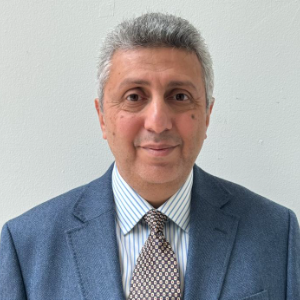
Mohamed M Hosni
London North West University Healthcare NHS Trust, United Kingdom
Gangadhararao Koneru
NRIAS, India
Rotithor Pandurang Ramachandra
Vedantaa Institute Of Medical Sciences, IndiaSubmit your abstract Today