
5th Edition of Global Conference on Gynecology & Women's Health
September 23-25, 2027 | London, UK

Women's Health Physicians
Women’s health physicians take a comprehensive approach to female health across the lifespan, integrating preventive, reproductive, and chronic disease management into one cohesive care model. They address a wide array of needs, from routine gynecologic exams and cancer screenings to cardiovascular risk assessments, bone health, and mental wellness. Women’s health physicians tailor care strategies based on age, reproductive status, and lifestyle, emphasizing preventive measures that extend quality of life. Their broad training allows them to coordinate care for multifaceted conditions like menopause, autoimmune diseases, or metabolic disorders that manifest differently in female patients. Women’s health physicians often lead initiatives in patient education, health literacy, and community outreach, particularly in underserved areas. Their advocacy extends into public health, where they contribute to policies advancing gender-sensitive care models. In combining clinical depth with a patient-centered philosophy, these physicians are central to shaping a healthcare environment that recognizes the diverse and evolving needs of women. Their holistic practice ensures continuity of care at every stage.
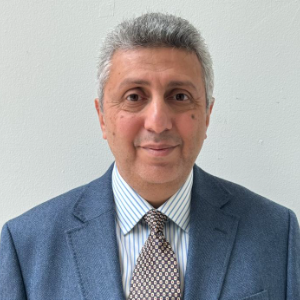
Mohamed M Hosni
London North West University Healthcare NHS Trust, United Kingdom
Gangadhararao Koneru
NRIAS, India
Rotithor Pandurang Ramachandra
Vedantaa Institute Of Medical Sciences, IndiaSubmit your abstract Today