5th Edition of Global Conference on Gynecology & Women's Health
September 23-25, 2027 | London, UK

Polycystic Ovary Syndrome (PCOS) Specialists
Polycystic Ovary Syndrome (PCOS) specialists focus on diagnosing and managing one of the most common yet multifaceted endocrine disorders affecting reproductive-aged women. PCOS specialists navigate a range of symptoms—from irregular menstruation and infertility to insulin resistance, hirsutism, and acne—by integrating hormonal therapies with lifestyle interventions. They also screen for metabolic complications such as type 2 diabetes, dyslipidemia, and cardiovascular risks that often accompany PCOS. PCOS specialists often work alongside nutritionists, endocrinologists, dermatologists, and reproductive experts to create personalized care strategies that address both cosmetic concerns and long-term health risks.
By using ultrasound, hormonal profiles, and metabolic testing, they provide accurate diagnosis and symptom tracking. PCOS specialists also emphasize early intervention, especially for adolescents, to prevent the progression of symptoms and associated complications. Their commitment extends beyond clinical treatment to patient empowerment and education. Through evidence-based management and ongoing support, they help individuals navigate the complex physical and emotional effects of PCOS with confidence.
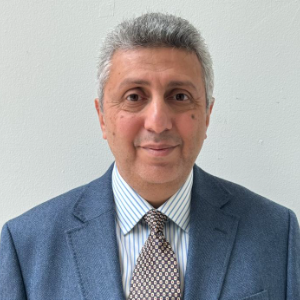
Mohamed M Hosni
London North West University Healthcare NHS Trust, United Kingdom
Gangadhararao Koneru
NRIAS, India
Rotithor Pandurang Ramachandra
Vedantaa Institute Of Medical Sciences, IndiaSubmit your abstract Today