5th Edition of Global Conference on Gynecology & Women's Health
September 23-25, 2027 | London, UK

Midwifery and Nurse Practitioner
Midwifery and Nurse Practitioner (NP) roles epitomize the intersection of tradition and advancement within the healthcare landscape, each contributing a unique blend of specialized care and comprehensive expertise. Midwives, with a historical legacy dating back centuries, continue to play a vital role in women's reproductive health. Beyond guiding women through childbirth, midwives engage in prenatal care, family planning, and postpartum support, embodying a tradition rooted in personalized, patient-focused care. Their approach is characterized by a deep understanding of the emotional and cultural dimensions of childbirth, promoting a sense of empowerment and partnership with expectant mothers. In parallel, Nurse Practitioners, as modern healthcare innovators, represent the forefront of advanced practice nursing. NPs, equipped with specialized education and training, serve as primary care providers, offering diagnostic, therapeutic, and preventive services. Their role extends beyond traditional healthcare boundaries, encompassing diverse patient populations and addressing a wide array of medical needs. Nurse Practitioners embrace technological advancements, evidence-based practice, and a commitment to ongoing education, reflecting the progressive nature of contemporary healthcare. The collaboration between Midwives and NPs showcases the seamless integration of tradition and advancement. Midwifery, deeply rooted in historical practices, finds synergy with the cutting-edge, evidence-based approach of Nurse Practitioners. Together, they navigate the complexities of healthcare, ensuring a continuum of care that respects the traditions of the past while embracing the innovations of the present. This synthesis of tradition and advancement highlights the rich tapestry of healthcare provision, where Midwives and NPs play pivotal roles in shaping the evolving landscape of patient-centered, holistic care.
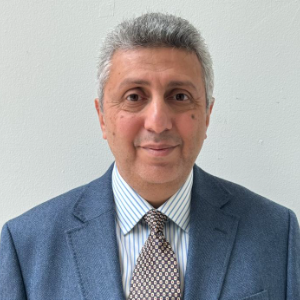
Mohamed M Hosni
London North West University Healthcare NHS Trust, United Kingdom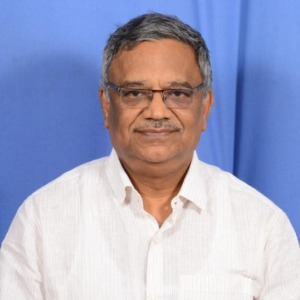
Gangadhararao Koneru
NRIAS, India
Rotithor Pandurang Ramachandra
Vedantaa Institute Of Medical Sciences, IndiaSubmit your abstract Today